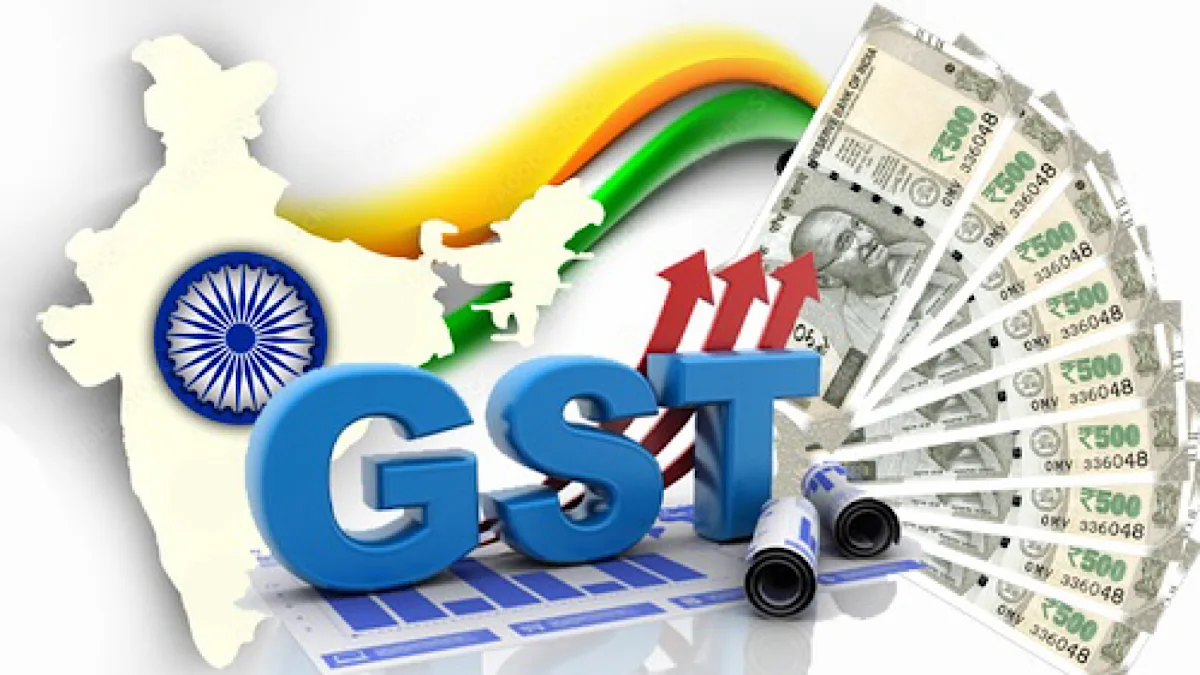
On the occasion of Navratri, the government has unveiled GST 2.0, billed as a “GST Savings Festival” by Prime Minister Narendra Modi. The reform, effective today, lowers taxes on food, hotels, cars, bikes and everyday essentials while streamlining slabs to 5 percent and 18 percent.
Several everyday essentials and big-ticket items are set to become more affordable. Under the new regime, a wide range of goods and services — from food products and daily-use household items to cars, bikes, televisions, insurance policies, and electronic appliances are also set to become cheaper. However, sin goods like tobacco and soft drinks will be taxed at 40%. With the new GST rates kicking in, hotel rooms priced at Rs 7,500 or less will be cheaper by up to Rs 525 starting today. Several food items — including chapati, parathas, milk, paneer, khakhra, and pizza bread, will now be exempt from tax. Under the 5 percent tax bracket, items such as butter, ghee, sausages, ice cream, coffee, juices, soya milk, dry fruits, cheese, meats, confectionery, jams, biscuits, and breakfast cereals will fall.
Advertisement
Announcing the rollout of GST 2.0 on the occasion of Navratri, Prime Minister Narendra Modi, in a post on X said, “This time, this auspicious occasion of Navratri is very special. Along with the GST Savings Festival, the Swadeshi mantra is set to receive new energy during this period. Let us come together in collective efforts for the fulfilment of a developed and self-reliant India.”
Key GST reform takeaways include GST on gyms/fitness centres slashed from 18 per cent to 5 per cent, making fitness more affordable and accessible; GST on two-wheelers (including and up to 350cc) reduced from 28 to 18 per cent, boosting rural mobility and supporting gig workers; GST on small cars cut from 28 per cent to 18 per cent, benefiting middle-class families and stimulating auto s
Lower GST reduces purchase costs, EMIs, and maintenance burdens, thereby increasing monthly savings. By reducing commuting costs, this reform helps workers save more, improves mobility for job opportunities, and strengthens overall workforce efficiency. Affordable transport empowers youth to pursue education, employment, and entrepreneurship opportunities without being held back by mobility challenges.